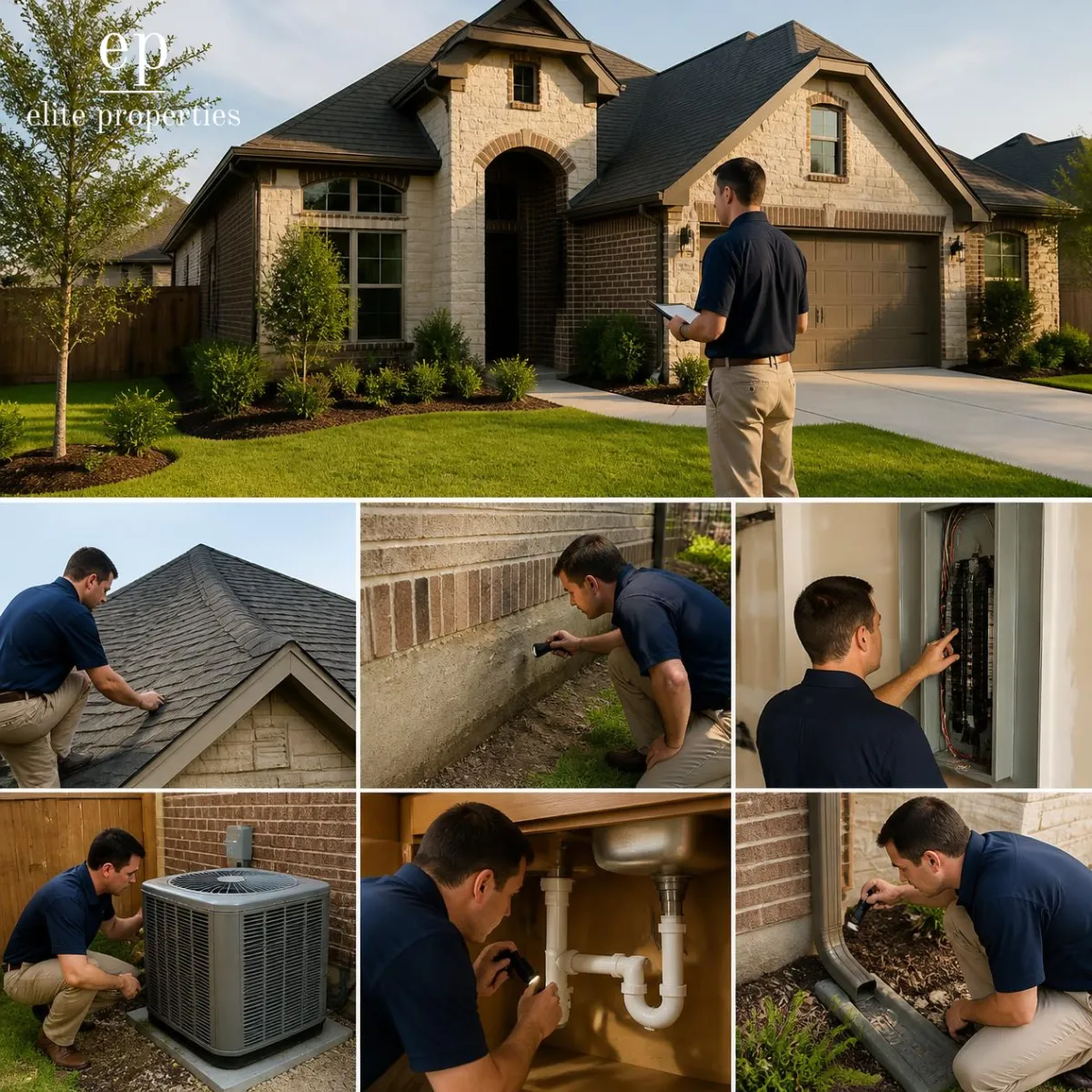
What to Look for During a Home Inspection in Houston
What to Look for During a Home Inspection in Houston
You found the house.
You love the kitchen, the floor plan works, the backyard is exactly what you wanted, and your offer has been accepted.
Now comes one of the most important parts of the home-buying process: the inspection.
A home inspection is not about finding a perfect house. Almost every home, including newer homes, will have something that needs attention.
The goal is to better understand what you're buying before you move forward.
For Houston-area buyers, there are several parts of the property I pay particularly close attention to.
1. The Foundation
If you've lived in Houston for any length of time, you've probably heard people talk about foundations.
Our soil conditions can contribute to movement over time, which makes the foundation an important part of your inspection.
Some things an inspector may evaluate include:
Cracks
Uneven floors
Doors that don't close properly
Separation around windows or walls
Signs of previous foundation repairs
A general home inspector may recommend further evaluation by a qualified foundation professional or engineer if there are concerns.
Don't panic simply because an inspector notes a crack.
The important question is what the crack means and whether additional evaluation is recommended.
2. The Roof
The roof can be one of the most expensive components of a home to replace.
During your inspection, pay attention to:
Approximate roof age
Missing or damaged shingles
Signs of previous repairs
Flashing
Roof penetrations
Evidence of leaks
Condition around vents and chimneys
Roof age can also matter when you're obtaining homeowners insurance.
That's one reason I encourage my buyers to start getting insurance quotes during the option period rather than waiting until a few days before closing.
3. The Air-Conditioning System
In Houston, air conditioning isn't exactly optional.
Ask about the age and condition of the HVAC system.
Your inspector may evaluate items such as:
Cooling performance
Temperature differential
Condensate drains
Visible components
Thermostats
Ductwork where accessible
An older system isn't automatically a reason to walk away from a house.
It simply means you should understand its condition and begin planning for future replacement if necessary.
4. Plumbing
Plumbing problems can range from a minor leaking faucet to much more expensive issues.
The inspector may check:
Water pressure
Visible pipes
Faucets
Toilets
Showers and tubs
Water heater
Drainage
Signs of leaks
Depending on the property's age and circumstances, additional plumbing inspections may sometimes be worth considering.
5. Electrical Systems
Electrical safety is another important part of the inspection.
An inspector may look at:
Electrical panel
Outlets
GFCI protection
Visible wiring
Fixtures
Smoke detectors
Older homes may have electrical systems that differ from today's building practices.
That doesn't necessarily mean the property is unsafe, but you should understand what you're purchasing and whether repairs or upgrades are recommended.
6. Water Heater
Don't forget the water heater.
Ask about:
Age
Condition
Installation
Visible corrosion
Drain pan
Venting where applicable
Like HVAC systems, water heaters have a limited useful life. Knowing the approximate age helps you budget for future maintenance or replacement.
7. Drainage Around the Home
Drainage is particularly important in Houston.
Look at how water moves around the property.
Things worth evaluating include:
Gutters
Downspouts
Grading
Standing water
Drainage systems
French drains
Low areas near the foundation
Poor drainage can contribute to several problems over time, so don't ignore the exterior simply because the inside of the house looks beautiful.
8. Signs of Water Intrusion
Water stains deserve attention.
Inspectors may notice evidence around:
Ceilings
Windows
Exterior doors
Plumbing fixtures
Attic areas
Walls
A stain doesn't automatically mean there's an active leak. It could be from an old problem that was repaired.
Ask questions and determine whether additional investigation is needed.
9. The Attic
The attic can reveal quite a bit about a home's condition.
An inspector may examine accessible areas for:
Roof leaks
Insulation
Ventilation
Visible framing
HVAC components
Signs of moisture
You don't have to climb into the attic yourself. That's part of why you're hiring a professional inspector.
10. Appliances That Are Staying With the Home
If appliances are included in the sale, the inspector may test certain built-in appliances depending on the scope of the inspection.
This can include items such as:
Dishwasher
Oven
Cooktop
Garbage disposal
Your contract determines what is included with the property, so make sure you understand which appliances are actually staying.
Should You Attend the Inspection?
When possible, I encourage my buyers to be present for at least the final portion of the inspection.
Reading a report is helpful.
Having the inspector physically show you an issue and explain it can be much easier to understand.
This is also a great opportunity to learn things about your future home, including where important shutoffs and systems are located.
Don't Expect a Perfect Inspection Report
One of the biggest mistakes first-time buyers make is becoming overwhelmed when they receive a long inspection report.
A 40-page report does not necessarily mean you're buying a bad house.
Inspection reports often document everything from major concerns to very small maintenance items.
The key is separating the issues into categories.
Safety Concerns
These deserve close attention.
Major Systems
Foundation, roof, HVAC, plumbing and electrical issues may require additional evaluation.
Deferred Maintenance
These are items you may need to address after purchasing the home.
Cosmetic Items
These may be things you can live with or repair later.
Not every item needs to become a negotiation.
What Happens After the Inspection?
Once the inspection is complete, we'll review the findings together.
Depending on the contract, timing and circumstances, possible next steps could include requesting repairs, negotiating financial terms, obtaining additional inspections, accepting the property as it is, or exercising contractual rights that may be available to you.
Every transaction is different.
That's why understanding your deadlines during the option period is so important.
Consider Specialized Inspections When Appropriate
A general inspection is an excellent starting point, but it may not cover every possible concern.
Depending on the property, buyers may consider additional evaluations involving areas such as:
Foundation
Plumbing or sewer
Roof
HVAC
Pool equipment
Termites or wood-destroying insects
Septic systems
Wells
Your inspector can often identify situations where another qualified professional should take a closer look.
What About New Construction?
Yes, I recommend inspections for new construction too.
A brand-new home can still have installation errors, incomplete work, or items that need correction.
New doesn't automatically mean perfect.
We'll cover new-construction inspections in a separate article because there are different stages at which inspections may be useful.
The Inspection Is About Information
The purpose of an inspection isn't to frighten you out of buying the house.
It's to help you understand the property.
When you know what's happening with the roof, foundation, HVAC, plumbing, electrical systems and drainage, you can make a much more informed decision about whether the home is right for you.
About Marysol Calvillo
I'm a real estate broker helping buyers throughout Katy, Cypress, Hockley, 77084, 77095 and the greater Houston area navigate the home-buying process.
My approach is simple: I want my buyers to understand what they're purchasing before they get to the closing table.
Thinking about buying a home in the Houston area? Let's start with a buyer consultation. I'll help you build your home-buying plan, connect you with trusted professionals, and guide you from the initial home search through inspections and closing.